
For a while now I’ve been listening to Consecration – self-described as post-metal and post-rock. I’ve gone through their entire discography before and it’s just banger after banger. That said, their most recent release, Video sam kako umireš, is by far their best work. In my admiration of their work, I reached out to Consecration for an interview to accompany the review of Video sam kako umireš, and they very fortunately agreed! Everything you’ll read from this point forward are the words directly from the horse’s mouth – their words, and their words alone.
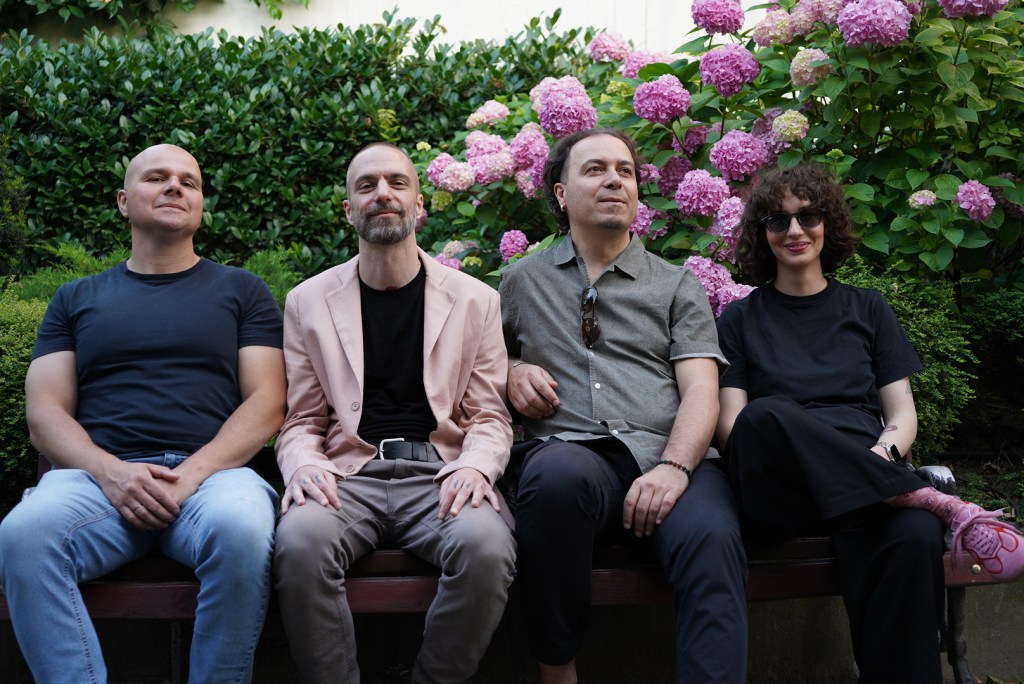
What got y’all started in music?
Danilo Nikodinovski: Music was always there since I could remember. Something important and magical. My mom was a fan of David Bowie, John Lennon, Rod Stewart and the Stones, so after my early childhood days of being a fan of Bajaga (famous Yugoslavian pop rock artist), when Guns N’ Roses happened she encouraged me and my brother to get their stuff on cassette tapes, encouraged us in general to feel free to listen to whatever we liked. She signed me up for taking classical guitar lessons in 1992 when I was nine years old and that helped me a lot. I learned to play a lot of songs just by listening to them and that helped me to listen carefully and develop the pitch and everything. I also started very early on noticing better production and how certain albums stood out sonically, namely Def Leppard’s Hysteria and Pyromania, W.A.S.P.’s The Last Command, Black’s Wonderful Life or Bruce Springsteen’s Born in the USA. I didn’t know what the hell the production was back then, but I was very perceptive about noticing details and small things. How did they make this? How did they get from that album to this one? What changed? Where did they record it? And with whom? When mom persuaded my dad to finally buy me an electric guitar in 2000, that’s when I started playing in bands with friends in high school. My dad was into Barry White, Paul Anka, Otis Redding, Leonard Cohen.
In 2007 I started working as a live sound engineer and the variety of gigs and different genres in a club setting taught me how to approach each band differently, as an extended member of the band. Plus you had to be quick about tweaking stuff on the fly, also learning how to use effects, delay and reverb, sporadically and tastefully, for a greater effect.
Aleksandra Gegović Šobajić: I think I came out of the womb singing. It was such a natural, pure thing for me to do as a child, it just made me feel free and safe. I vividly remember blasting music in my earphones and singing on (the) top of my lungs in my childhood bedroom, with at least one plea per day from any of my family members to tone it down. Luckily for me, the guy living above our apartment was deaf, and the guy living below had some kind of hearing loss (It’s not from me – I swear). My mom was never much of a musical person, but she does love opera. I used to go to the National Theatre with her and my eldest aunt to listen to many different operas, and I would fall asleep every time, until a high note of the soprano would wake me from my slumber. Anyway, I think my other aunt, who had been living with us, and my dad have been the biggest influences in how I perceive music today. My aunt was a kindergarten teacher, obsessed with ballet and classical music and she also played piano, so she has taken it upon herself to teach me how to play. I never actually learned how to play it, but I think the knowledge still dwells in my dormant fingers.
My dad was my biggest inspiration for music. He was an excellent singer and a big music enthusiast and collector. We used to have hundreds of tapes of a variety of genres – evergreen, classic, opera, ambient, soundtracks – as long as there was no distortion, he loved it. He would quiz me daily on the compositions, songs and artists, and I quickly trained my ear. I cannot skip talking about my two cousins who used to sit a four-year-old me down in their room and blast off Metallica and Iron Maiden while yelling This is the real music you need to listen to!
With all this in mind, even though I begged my parents to enroll me to music classes, I think they became too afraid of what my future would hold for me if I were to become a musician. When I was a teenager and kind of came out of my shell, I started singing in cover bands, auteur bands, and basically had a blast. It was all kinds of funky, jazz, r&b, rock, soul projects that fed my need for music. When my dad and my aunt passed away in a span of two years, I kind of unconsciously went into freeze mode. I think I never processed this fully until recently. With this loss I think my singing ability and enthusiasm for music went a bit quiet, and I became uninterested in exploring emotions in music. Until I was asked to be a guest on Consecration’s previous album, which helped me build up my confidence and the ability to therapize myself with creative processes.
Aleksandar Maksimović: Since an early age, I have been drawn to hard rock and metal music. During the 1990s, when I was a teenager, Serbia was isolated from the rest of the world and consumed by war, nationalism, and chaos. Listening to music — and later playing it — became my sanctuary from that madness.
Hearing Arise by Sepultura was the moment I definitively decided to start playing drums. The combination of tribal, primal rhythms and heavy music shaped my early approach. Over time, I explored more technical and progressive styles, but today I play primarily in service of the song. I am not interested in showmanship; I value songs as a whole, not drumming as an end in itself.
Ivan Aranđelović: Friends from neighbourhood, there were drummers and guitar players, but bass players were very rare at that time… If you were the only bass player, you would be the best. (laughing)
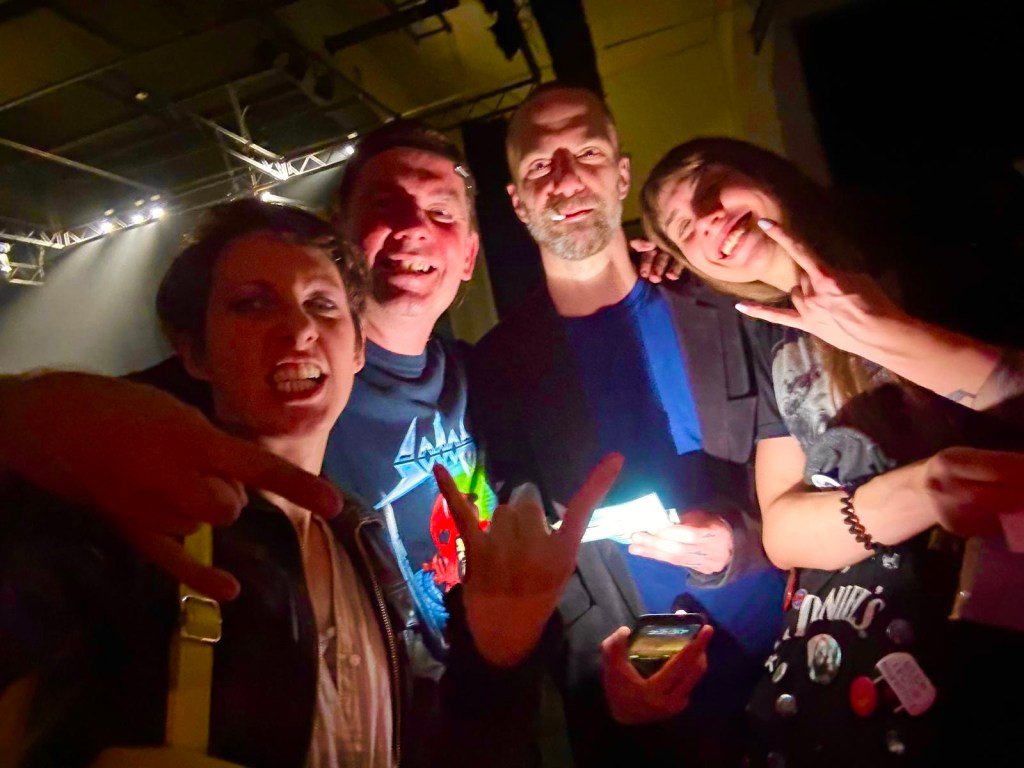
What brought Consecration together as a group?
DN: I always wanted to… Well, needed to, always had this urge to create music. Music I couldn’t hear anywhere else. A huge mixtape of everything I listened to but done in a creative way that had something unique of its own, with my own imprint added on top. Also, people in the band are very important. Not just their playing ability, but how they are as personalities. Their energies, sense of humour, and everyone is unique in their own way. Specific playing style helps too.
AM: I am a new member of the group, but I met Danilo more than twenty years ago. Back then, we were exchanging CDs and MP3s. We even tried to form a band at that time, but it took two decades for the stars to finally align.
IA: Skid Row, Ugly Kid Joe, Jimmy Eat World, Belgrade at night… House party instead of a Morbid Angel concert.
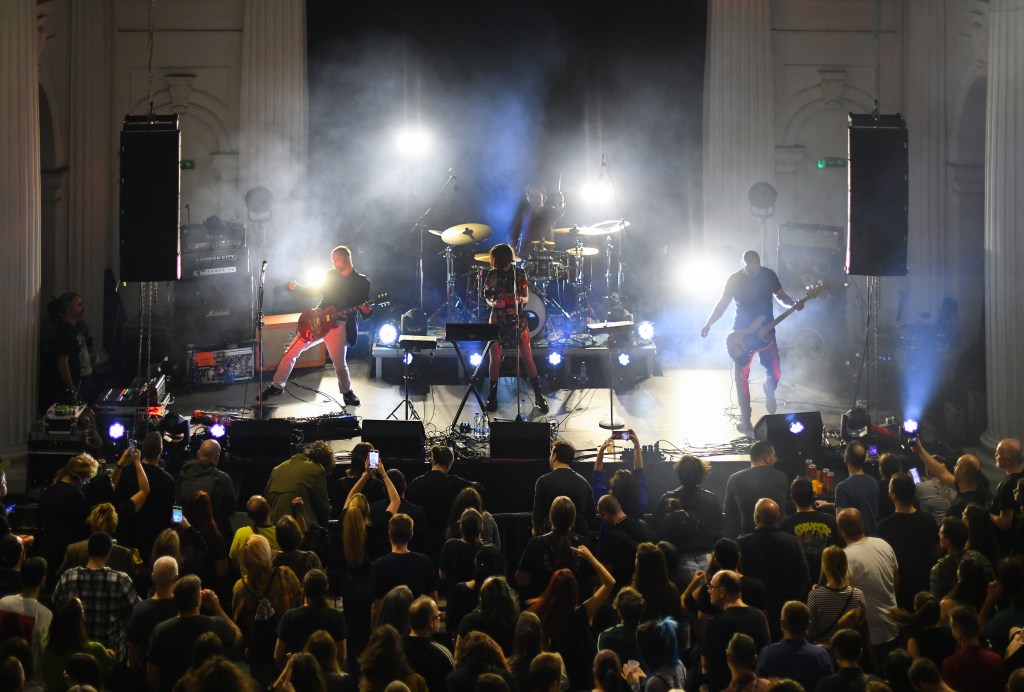
What are the biggest inspirations for y’all’s music?
DN: For me personally… David Sylvian, Depeche Mode, Autechre, Aphex Twin. Cocteau Twins, Dead Can Dance, Massive Attack, Portishead, Slowdive, Anathema, The Gathering, The Cure, Swans, Godflesh… There are so many.
I was very young when I got into metal music, and metal in general was usually angry (Metallica, Sepultura) or uplifting (W.A.S.P, Def Leppard) or both (Suicidal Tendencies) and I always liked metal ballads more than regular metal songs. Ballads had multidimensional feelings to them, not just one particular emotion. I have a very distinct memory of watching Nirvana’s Smells Like Teen Spirit on MTV in September 1991. That was huge. Then seeing Nine Inch Nails’ Wish and Ministry’s N.W.O videos in 1992. And I was very young, like 11 or 12 years old, when I discovered Neurosis (Souls at Zero) and Godflesh (Selfless and Pure albums) back in 1994 or 1995 and that showed me very early on how much tension you could build within a song. Then during my early teen days in 1996 and 1997 I discovered bands such as Tiamat, Anathema and The Gathering, that were mixing gothic metal influences with Pink Floyd and ethereal atmospheric stuff via doom metal. I was just starting making my own music then so the music was a mirror of the stuff I was listening to at the time and vice versa – the bands I liked the most were the ones that sounded exactly the way I felt.
Then in my early twenties I got into techno/IDM stuff (Autechre, Aphex Twin), some time around 2005. The difference between bands and electronic artists is in the way you make the sound in the first place. There’s a certain sound of the drumkit or the guitar or the guitar amplifier and you search for the sound and then work with it. Electronic artists work from scratch and they make all the sounds from zero, the sound of the kick drum, multiple snare sounds, keyboards and synths… Infinite possibilities really. That opened my eyes further in the search/quest for a perfect sound. Any sound is only a sound and not every sound is music… Until you make that sound musical. Doing live sound production for the bands during that time also helped. Learning how to catch/record a sound.
And various different emotions are always very important to me because I am, well I guess you could call it hypersensitive, so I am always finding ways to implement the sounds in my head I’m hearing together with the emotions I’m feeling.
AGŠ: For our music… Um, I can say it’s kind of easy for me – I just follow what the boys come up with, figure out what the song is lacking, or better to say needing, and try to match up the emotion, or introduce a new one. On one hand I don’t think any person or a band in particular comes to mind, because once we are up in creative mode it’s just pure instincts. On the other, I think it’s probably anything and everything I listened to throughout my life.
AM: Making music is a sanctuary, an escape, and a spiritual experience for me. As a drummer, my inspiration usually comes from what the rest of the band brings to the table. From there, I start translating what I hear into rhythm, thinking about emotion, dynamics, and where I want the music to go in terms of intensity and loudness.
Inspiration also depends on the energy in the rehearsal room and the people in it.
IA: A simple joke. Sometimes a sound of a new pedal. A reminder of old songs and parts. The melody of text lines from a book…
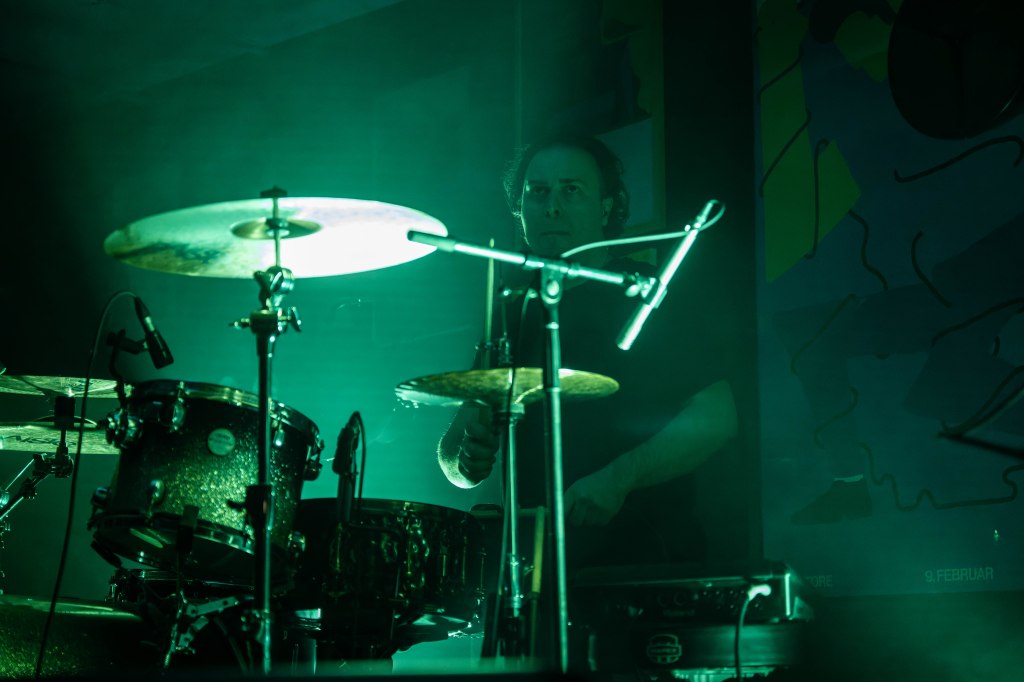
On an individual level, what are your biggest inspirations as artists?
DN: Aphex Twin, David Sylvian, David Bowie, Peter Gabriel, Kurt Cobain, Justin Broadrick. David Lynch, John Carpenter, Jim Jarmusch, Nicolas Winding Refn, Lars von Trier, Yorgos Lanthimos.
AGŠ: I could be talking about this for years, but I think I can sum it up in one – Björk. The craft of such intricate melodies, the absolute pinnacle of production, and the vast freedom of creating music for oneself, instead of the masses.
DN: Vespertine is the big one for me, yeah.
AM: My inspiration changes from time to time. At the moment, I enjoy listening to Editors, Slowdive, Katatonia, Port Noir, Above & Beyond, Moonspell, The Haunted Youth, Brutus, Converge, so my influences are all over the place.
IA: Usual “small” things in life, not directly music, also movies, people’s reaction.
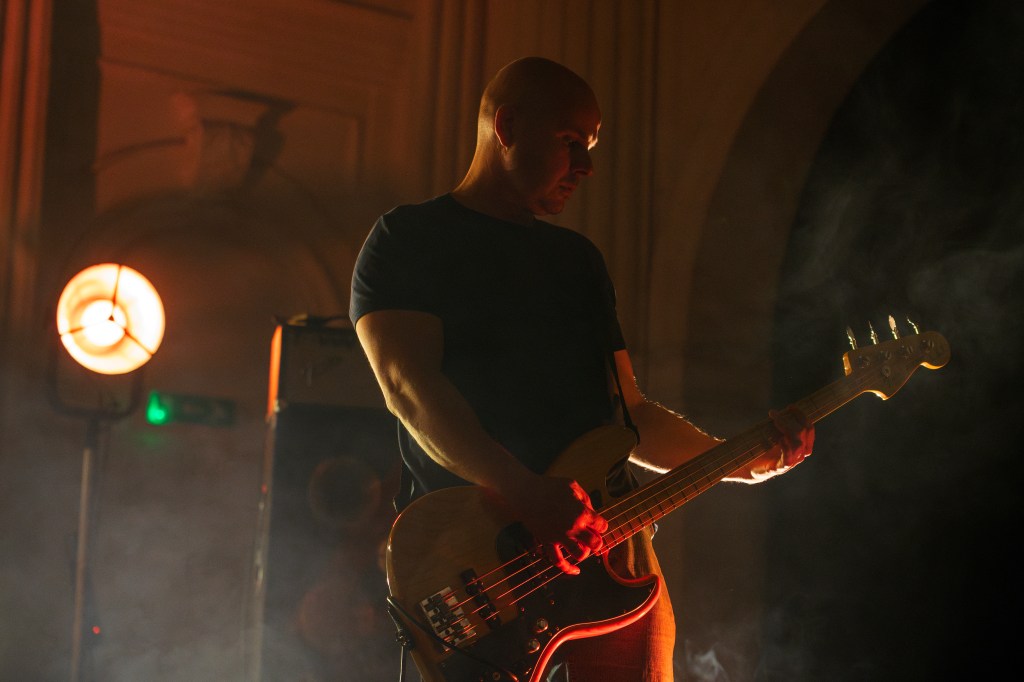
What are the most essential elements to include in your music?
DN: Emotion, the dynamics, depth, width. The curiosity to explore various instruments and their unique sounds. There’s only so much you could do with a guitar or the drums. Synthesizing sounds, theremin, piano, trumpet, strings, chimes, anything and everything really, if it feels right. And the song will guide you if you let it. And the desire to always learn something new.
AGŠ: Openness, intuition, painting picturesque soundscapes, palpableness, the need for it to stand the test of time.
AM: For me, the most important element in music is the melody itself. Mood and dynamics come next; lyrics are less important, but what matters is how they are integrated into the music.
IA: Tsunami wall of sound.
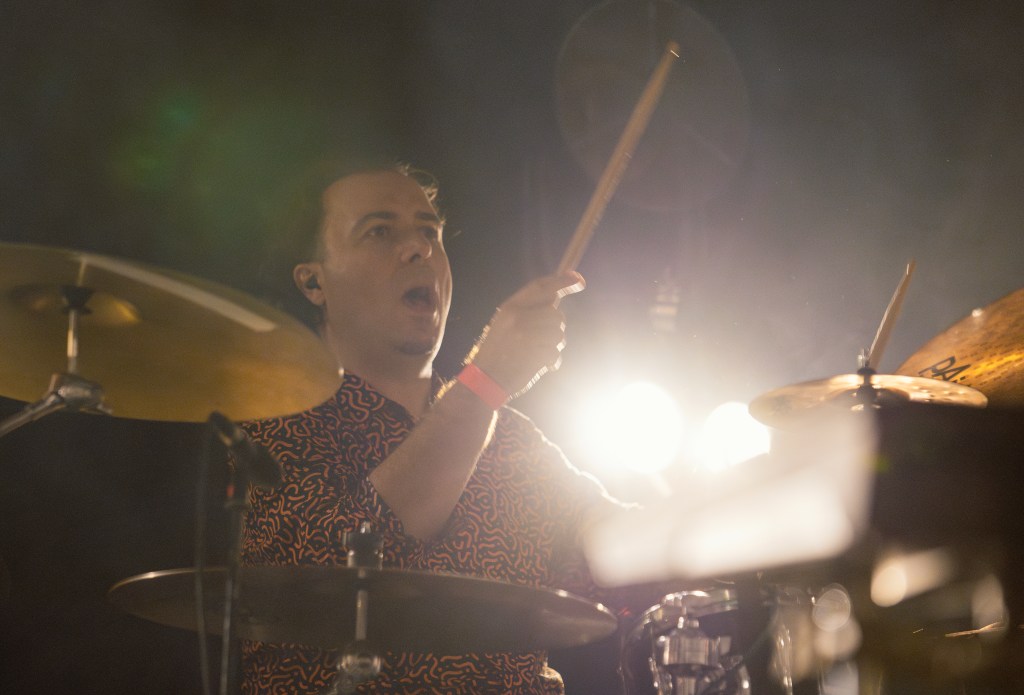
In three words, how would you describe Consecration’s music?
DN: Atmospheric, cinematic, heavy, demanding. Shit, that’s four. (laughing)
AGŠ: Ambiance, tenderness, Space.
AM: Agony and ecstasy.
IA: Rise of Sodom and Gomorrah.
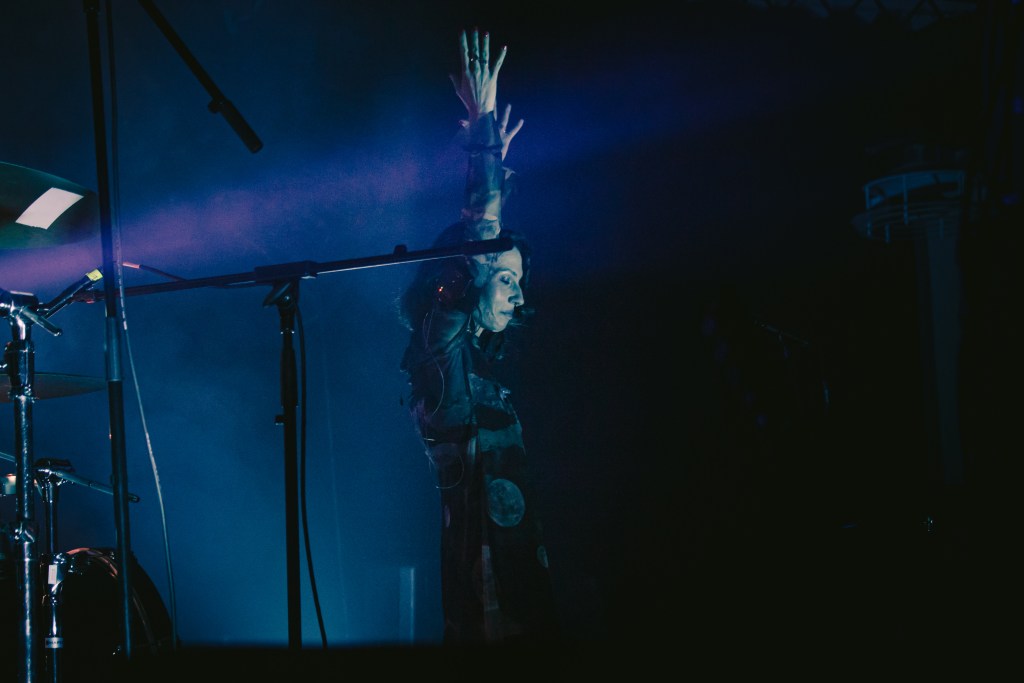
What does your creative process look like? Are there any habits, rituals, or methods you use to get into the creative headspace?
DN: It depends. Sometimes the song just happens at 2 a.m. Sometimes it’s the creative block for a whole year. We used to jam a lot in our rehearsal place until something good came out. But lately I think the song has to form itself in a way first. The riff or a melody might be there, but the general idea or the feel of the song should come first and then guide us. Where does the song want to go, you know, and what it needs. What’s the song’s intent… Or is it intention? Anyway, the song has to have a pull that’s gonna take us in a particular direction.
But you can’t force it. You just have to be patient and at some point you’ll just feel the pull, the urge. I think David Lynch spoke about that a lot in terms of catching a big fish. And once you get there, you don’t question anything, you just let go and have a ride with it. Let your imagination guide you and be very perceptive about what’s coming your way.
AGŠ: When Danilo sends me a voice note with a guitar riff, vocal melody or lyrics – the first thing I do is try to figure out what’s wrong with it. Of course, there is nothing wrong with it, it’s just how my brain says: I do not compute what this is. Yet.
I feel best trying out new things when I’m home alone. Silence brings out what needs to become. I make some tea, light a candle, sit down with my midi keyboard and a mic (and two cats somewhere around me), and give it a try. Unlike Danilo, who waits for an idea to hit him like a brick (and for a good reason), I chew on my ideas for a while until I feel excited about what I have in mind. It’s suffering till it’s fun.
DN: Suffering till it’s fun, that should be a headline!
AM: In my case, repetitive listening to riffs and choosing the beats is more a matter of feeling than thinking.
I try to take a pragmatic approach — what I would enjoy listening to, and what would be fun to play.
IA: Play it, Dawe!
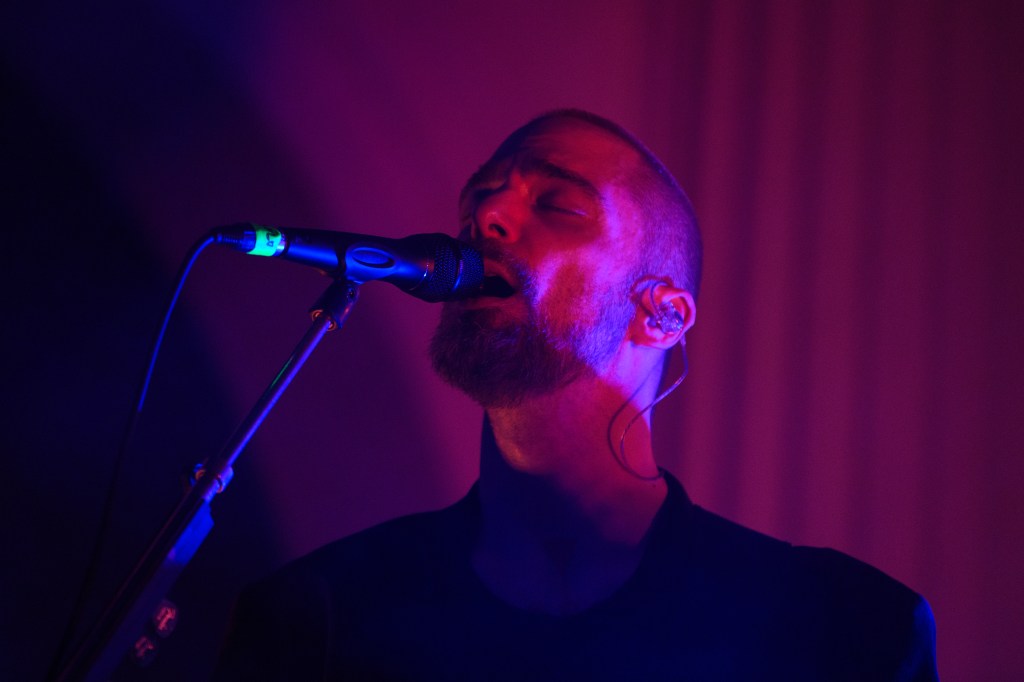
What inspired the name Consecration?
DN: We lifted it from a Saturnus song, Inflame thy Heart was the song that had the lyric. We were young, it was 2001 or 2002 I think, the former (now late) bass player Milan and I thought it had the real depth to it. It’s all about devotion, the dedication.
AM: Lack of motivation?
What themes were you the most excited to explore in Video sam kako umireš?
DN: The themes of love and death, and everything in between. Fear, anxiety, the unknown, yearning, longing, the instincts, the intuition, the magic, seeing and accepting someone and loving them for who they are, exactly how they are. Because all that made them the way they are. The gut feeling of it all. Minds and hearts. The soul. The light and the shade. Subconscious vs. the conscious. Musically, we wanted to explore our vocals more. There’s a lot of feminine energy in this album. Because women made us, all of us. Gave us life. So please be kind to your sisters, mothers, girlfriends, wives. Women are gonna save this world.
AGŠ: This album is Danilo’s story of love, loss, daydreaming and suffering. All the rest of us could do is to be there to help him get it out of his system. At times his lyrics and melodies were brooding, depressive and hopeless, which couldn’t be further away from my experiences last year. I got married, finally figured out what I want to do, where to live. I travelled a lot, which helped my mental state immensely. Basically, the suffering was far away from me, and I from it. Hence, exploring the themes that were the foundation of this album was a challenge. The only thing I could do is try to give the songs some kind of hope, a light at the end of the tunnel, and a sense of serenity. Figuring out vocal melodies and harmonies was my favorite thing for us to do, and I think that is what made this album have a gentle nature, a hopeful feeling, and some kind of lingering optimism.
Honestly, I was just excited to use the talk box, and utter the words Želim da živim, ne želim da umrem (I want to live, I don’t want to die), until the very moment we were trying to figure out how it should sound, which took an hour and a half, followed by a three hour recording session. It took a toll on my voice. At some point during the recording, I flipped the lyrics to Ne želim da živim, želim da umrem (I don’t want to live, I want to die) just for fun and the theatrics. The light versus the dark.
What is your favorite Consecration song, and what is your favorite song from your most recent release? What about these songs make them your favorite? Favorite to play, favorite to write, fond memories performing…?
DN: It varies. For a long time it was Cimet, then Grob, then Tvin Piks and Rafinerija. Now it has to be Tvoj osmeh su blajnderi. That song just had to happen to me, to save my life in a way. It came out very quickly, it was 30th January 2024, about 2 a.m. and I couldn’t sleep, I was waiting for my friends to come pick me up for the airport, we were flying to Milan to see Slowdive. And I was tossing and turning in my bed, couldn’t sleep, and the lyrics just hit me: Kad vratiš osmeh za manje od sekunde/Kako se to zove?/Sunce može samo da se duri/To je najbolje što može (When you smile back in less than a second/What’s that called?/The sun can only be pouty [jealous]/It’s the best it can do). And then the chorus, Daj da se vidimo na pet minuta/Da te zagrlim i kažem sve/Samo da te imam na pet minuta/Ne izgovorim ništa i umrem (Come on let’s meet for five minutes/So I can hug you and say everything/Just to have you for five minutes only/So I can say nothing and die). It’s like this ultimate love song in a way. Some friends said to me, So, this is your Stairway to Heaven then, or This is your Purple Rain. I had the hardest time getting it right in the studio, tracking it down though, playing the solo just right and singing it. But that struggle for the perfect take is there in the recording, I think.
From the new album, I’d have to say Buđenje mumije. It’s this gigantic, monumental piece, and Gega really helped me to put it together. I wrote the lyrics in 2015, it’s actually a prequel to Tvoj osmeh su blajnderi, and it took so long to fall everything into place. I have the fondest memories of me and Gega building it, making it work, singing, moving lyrics around and harmonizing with our voices. Then bringing the strings in, then playing the grand piano… That song lived only in my head for years and I’m so happy we managed to pull everything out in such a majestic and gorgeous way.
Live it would probably have to be Rafinerija, people always lose their minds when the riff starts. Cimet, Aligator and Praskozorje are always crowd pleasers too. People also tend to go off on Demonska lepota when the growling part happens.
AGŠ: Hard and unfair to choose… But if I had to, it would be Romantična policija and Rafinerija. Also Buđenje mumije, because I love the harmonies. Scared of doing it live though (grinning anxiously).
AM: I was in the audience, not in the band, so watching them play was a completely different experience from playing the songs with the band. As a listener, I enjoy Tvin Piks, Somna, and [Tvoj osmeh su] Blajnderi. I especially appreciated their long jams and dub sections during live shows.
Now, as a band member, I enjoy playing Rafinerija, Cimet, and Aligator. From the latest release, Senke is probably my favorite song. I really like the layered vocals and the duet between Aleksandra and Danilo.
Recording this song in particular was a very interesting experience. Danilo had the idea for the rhythm, so I followed, but I didn’t have a clear sense of what was the chorus, what was the verse, or when the crescendos would come. Our producer, with whom I also play in another band, just told me to play and that he would guide me in real time during the recording. His instructions went something like: “Play steady, now go wild, don’t stop.”
It was also the first time I recorded a song using brushes.
IA: Đavo nije urban, Vertikala, Imam…
My favorite track from Video sam kako umireš is Strava letnje noći – can you dive into this song and what inspired it?
DN: I had two summer tours in Europe in 2024 with Unearth as their sound engineer. The first leg of the tour was in July and it started the day after Milan’s (former bassist) funeral who died of cancer. I remember I got the final mixdown of Demonska lepota the same morning I was going to the funeral. Then I went on tour the next day. I got the masters for Smrt, ljubav, smrt mid-tour, and that whole album was very stressful to do. Then in August there was the second leg of the tour.
The girl I wrote Tvoj osmeh su blajnderi to, she gave me a ride to the airport at 6 a.m. and when we were saying goodbye’s she took my hands and held them so tightly.
And on that second tour we almost had an accident in France when we were suddenly cut off by some idiot in the left lane and our driver hit the brakes so hard. We were driving in a Mercedes Sprinter and there’s this kind of a loft or a bunk above the trunk where the gear is, behind all the seats and I was laying there for all the rides. I needed the rest and eight hour drives a day are hard on the road. So, we were driving around 80 miles per hour, and the driver hit the brakes and it all happened so quickly, less than a second really, I was lucky I was laying on my stomach with my hands above my head, so when the brakes hit I slided with my hands first and just propelled forward and fell down on the back seats. And my hands saved me from getting myself killed, you know? If I was laying on my back, I would probably break my neck by falling down. Also, one of the merch boxes slided from that same bunk and it landed on the seat where I was usually sitting. So if I was sitting down on my seat instead of laying up there, maybe the merch box would fall on my head, break my neck, who knows? So my hands saved me from dying. Hands that she protected when we departed. And all of that happened the following morning after watching Baroness and hanging around with Baizley backstage. And you remember they had a bus accident back in 2012… An hour later after that almost-accident situation, I saw the news that Tore from Ulver died. And we were driving to Normandy now where there were ten thousand buried. I need to survive to see her again.
The Unearth tour concluded in Cagliari, Sardinia in Italy on 25th August with a gig, so we decided to stay there for two extra days so we could relax and finish the tour with two days off. It was the night of 27th August. Earlier that day I finally saw the ocean and went for a swim. We were sitting on the terrace, it was our last night and I let it all sink in. I gave my all that year, I did my best to finish the Smrt, ljubav, smrt album. The release date was set for 6th September, the only thing left for me was to come back home. I was watching this beautiful sunset and I missed her, I traveled all that way and even though I was at this beautiful place at the time, I missed her more than anything. And her holding my hands at the airport was the only thing I could think of. I have to stay alive to see her again. That’s how Strava letnje noći (Midsummer’s Night Horror) came about.
When I figured the guitar theme part out, I imagined Gega and Sana harmonizing with me as the song progressed, not unlike three Aleksandra’s singing with me in Senke. It was beautiful figuring all those parts out, as we were feeding off each other.
IA: MTV unplugged sessions from the 90’s.
One thing that I love about Video sam kako umireš is how full and vibrant the instrumentals are – I’d say the listening experience is like a full ascension. Enchanting, choral-like vocals layer above guitars, synths, drums, and theremin…the finished product is incredible, but it must have been such a process to find the right balance between all of those elements. How do you find that balance?
DN: Like Rick Beato says, Mixing an album is hundreds of hours making decisions!
I mean, it was really hard to make all these moving elements work. Buđenje mumije alone has 250+ tracks in it and it took us 57 hours only to mix the first part of the song. Another 17 hours of mixing the second part, so 74 hours in total. I thought we would never get there. And it’s really hard to mix that kind of track, because you don’t have any other reference point. The song sounded bigger than Delirijum from the get-go, and you can’t compare the mix to any other band in the world as a reference mix, because there’s no such song existing anywhere else. But it was really rewarding getting the mix done and knowing we managed to pull it off. The rest of the album was easier to mix, although Senke had its own issues with 4 different singers and making everything audible. Među nama had its own issues and so on. The balance is your ears. Always. You just have to listen, very closely, to everything all the time. On headphones, in a big room, in a small room, on a phone, in the car, whatever.
When playing or singing, it’s all about timing and phrasing. What you decided to play and when. And when not to play. And the performance. If the performance is great, it’s kind of mixed down by itself already. So the better the performance is, it’s easier to mix later.
The first idea that comes to mind in the studio is usually the best one, but it’s crucial to get the perfect take. Sometimes it’s the first take, sometimes it’s the twentieth and then it’s about the ability of how much you are ready to push yourself to get something you envisioned, you feel like it should be just right and how to flesh it out. It’s a challenge and a quest, a strive for perfection.
AGŠ: I think this time we came more prepared in comparison to the previous one. All of us were just listening to what needs to fit onto the canvas. With all what Danilo said – we could have been recording this and mixing it for many more weeks, adding more layers and painting the picture more deeply, if we weren’t constricted by time and budget. Ah, the strive for fulfilling our needs as artists versus the budget – the never-ending dance. In the end, the balance comes from fretfulness and excitement, like yin and yang.
IA: Bass frequencies are one side of balance (smiling)
What do you hope listeners take away from your music? What do you hope they connect with?
DN: …everything? (laughing)
AGŠ: I hope they put it on on a long drive and mutter the words or melodies or listen to it on a pair of headphones walking down the street imagining themselves as the main character of their own movie.
AM: Pure pleasure or disgust. No gray zone!
IA: All they can swallow.
Where do you hope to see Consecration’s music? Maybe in film or festivals?
DN: In films it would be amazing, yeah. I really like Nicolas Winding Refn camera work and art direction and photography and his use of colours, so… Hit us up Nicolas! (laughing) Jim Jarmusch is also very cool. Festivals, yeah, why not.
AGŠ: Mostly on stage, somewhere abroad. Festivals, films, TV shows, wherever!
AM: Big rooms with high ceilings.
Anything you’d like to share?
DN: It feels like we’re back in the 90’s again. The best music is underground and it’s the word of mouth that matters most now. Fans that share music to their friends, tell them about it, bring them to a show. Making playlists that once were mixtapes back in the day. You can’t fight paid algo’s and there’s so much digital noise now. And there are more bands than ever. And they are all invisible because there are no more labels and media to promote it properly. No more proper editors and radio DJ’s who took their job seriously and aired what had real quality. So thank you for giving us a chance to gain some visibility.
AGŠ: Yabba dabba doo
IA: ‘Oćemo pit’ kafe! …A i zbog kola.
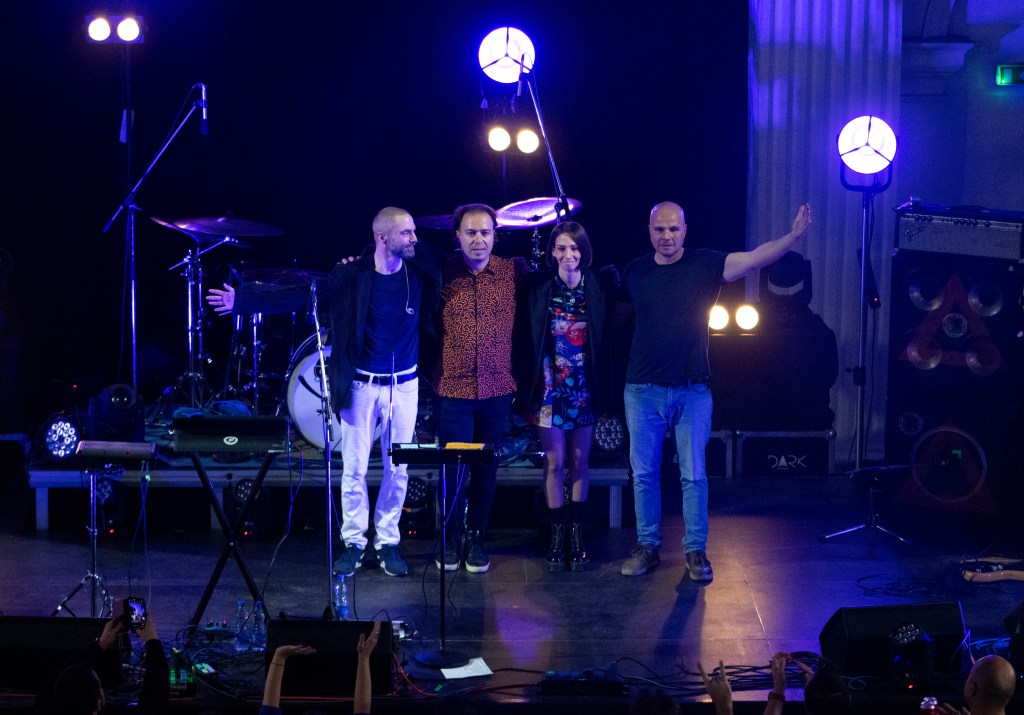
If you’d like to see more from Consecration and support them, you can find them online on Bandcamp, YouTube, Instagram, Facebook and wherever you stream your music. You can also purchase a copy of their newest album, Video sam kako umireš, on their Bandcamp or on Geenger Records.

 ARDENTLY
Leave a reply to Their Magnum Opus – Consecration’s Video Sam Kako Umireš – ARDENTLY Cancel reply