
As a fan of metal always on the hunt for new and exciting releases, it is not an uncommon sight to see some metalheads online recommend some truly tepid records. The albums in question fulfill all the qualities that make up a certain subgenre in a way that feels like a checklist rather than doing their best to make a record that might actually spark something within the listener.
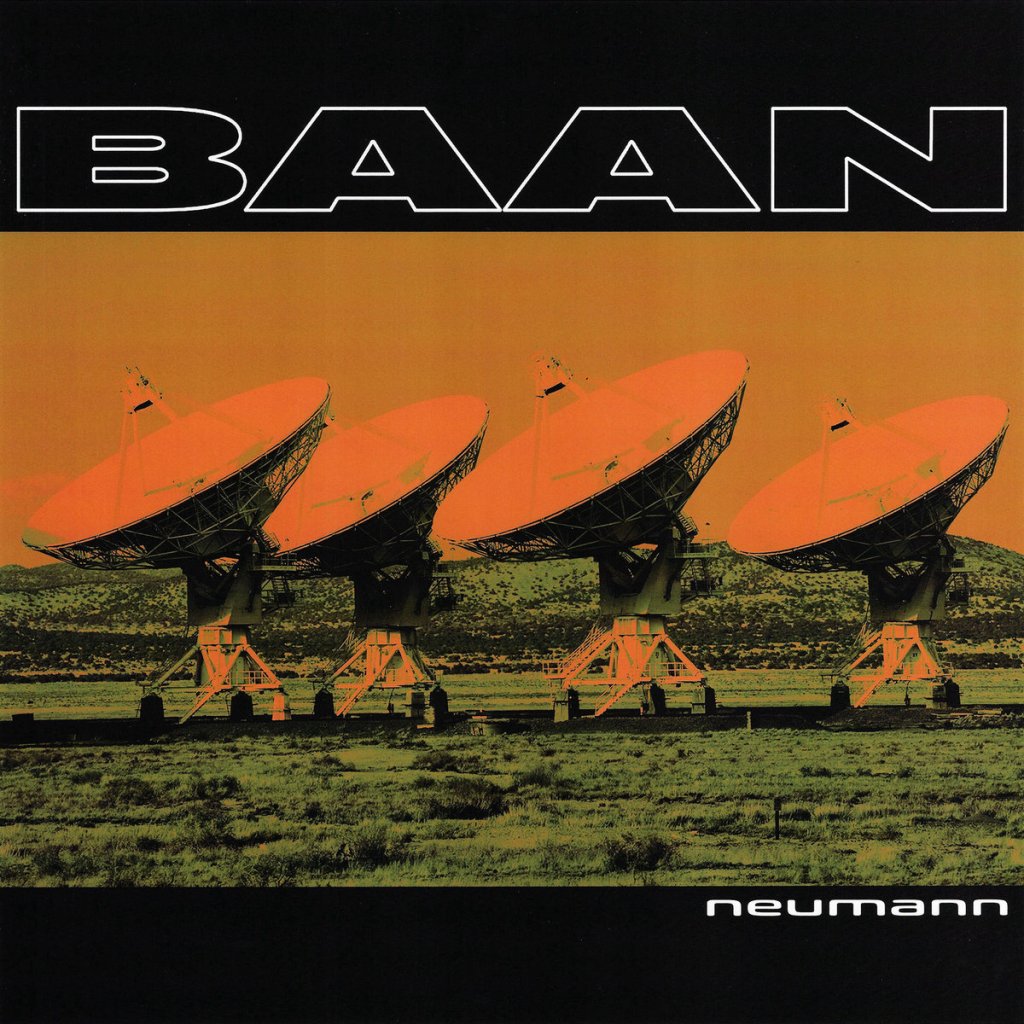
I always want something new and exciting. In the veritable sea of copy-and-paste cassettes and vinyls I have sitting before me I have found something truly noteworthy: Neumann by South Korean band Baan.
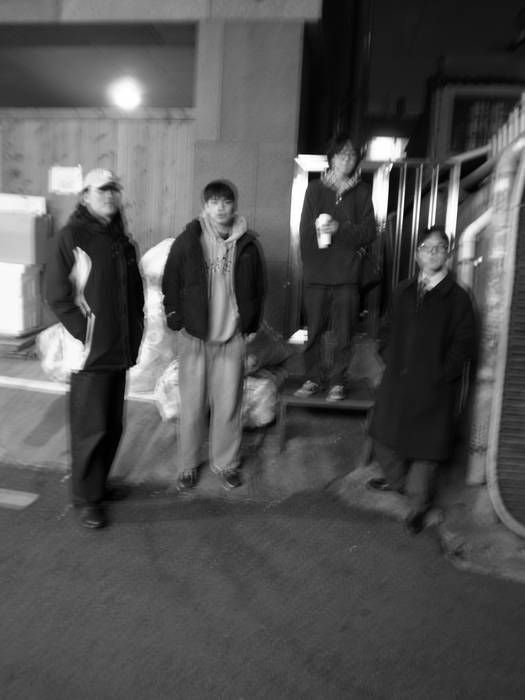
I can’t say I’m all that familiar with metal from South Korea, or really from anywhere in Asia. I have listened to some metal from East Asia, namely the bands Sigh and Wormrot. However, these two bands do not constitute an intimate level of familiarity with their growing regional importance. Metal has a rich history in Asia, the story of which I do not have the time to tell today, but rest assured, my little Kudzu tendrils, that the story will not go untold forever. In the interim, I will cover a thought-provoking release from one of metal’s most overlooked regions.
What is it that would make a metal album distinct across different cultures? I mean, it’s just screaming and distorted guitars, right? Not so, my friend. This album doesn’t have any harsh vocals – bet your preconceptions are blown away now, aren’t they? That’s not really a culture-dependent thing, I realize, but the vocals are an interesting point of examination, truth be told. The vocals sound really distant, like they’re being shouted from half-way across the recording studio. The way in which the vocals are set to tape gives them a lo-fi quality, despite the rest of the album being relatively crystal clear. It sounds like they’re intentionally being buried in the mix under all the guitars and drums.
The vocals are a rarity in these songs. There is no verse/chorus structure – it’s like they have just few lines per song, if that. Often times, it can be hard to determine what are actual lyrics and what are simply just words in the background that just appear out of happenstance. Songs like “Reversal of a Man” illustrate this point exactly. The first minute or so of the song seems to be made up of mumbling the band just so happened to record and the latter half of the song has what sounds like a recording of an argument, only for some muffled wailing to break through. The vocals help to instill this despondent and isolating attitude in these songs. Even in the songs where the lyrics are little clearer like “Histrionic”, they still leave the listener with this disparaging affectation. Even as the band yells the name of the song as a pseudo-chorus, it still wasn’t clear to me on first listen what they were saying.
The vocals end up pairing well with the tone of these songs, even if everything else seems to be recorded at a higher fidelity. There’s a certain level of haziness to the tracks that just isn’t accounted for in most other metal records. The most astute readers in the audience might have already made note of the tags: “post-metal” and “shoegaze” – whether you know what those genre names or not, it’s clear that the sound of this album may be unfamiliar to a more casual metal listener. The closest analog I can think of for a mainstream audience is a band like Deftones, yet I wouldn’t say they sound entirely the same. Baan is heavier; their music combines the fuzzed out feedback and pummeling riffs of sludge metal with the aquatic-sounding dreamscapes of shoegaze.
The record sounds, to me anyway, like a heat-induced state of delirium – like seeing a mirage in the distance after spending so long traversing an arid landscape. You’re capable of seeing things, but you’re not quite sure if they’re actual tangible entities or rather something conjured up by your faltering mind. These reverb soaked, hazier approaches to metal are not entirely new – a decade or so ago, we in the middle of a wave of bands that meddled together black metal and shoegaze into what we call, sometimes derisively, “blackgaze“. Even before the advent of blackgaze, we had post-metal that pioneered a new atmosphere-heavy sound for the genre, which helped give rise to the still-popular atmospheric sludge metal. Somewhere in these lines drawn in the sand – between post-metal, shoegaze, and atmospheric sludge – exists the sound of this record.
Even in the searing cacophony of the record’s sound, it still manages to make the occasional space for more traditional, chunky metal guitar riffs. These moments allow for a certain level of catharsis that the rest of the album is not always equipped to dole out to the listener. The band handles this contrast well – after all, it’s not as if these sounds are a world apart or impossible to bring together under one roof. A great example of this is the first song on the record: “Birdperson 새사람”. The main riff has this bass-heavy, slamming quality compared to the rest of the song. Having the first song off the record help to introduce this active dichotomy within the album’s sound is a really clever way of cueing the listener into the kind of sonic qualities the band plays with.
Along with some more conventional metal elements, the record makes a habit of adding dashes of hardcore and noise into their sound. The three-part piece “Sing a Brave Song” in the middle of record makes the most use of these newly-added elements. Throughout the trilogy, breakdowns are used sporadically and the scuzzy, bass-filled sound becomes so much more prominent. The distortion becomes a monster and the occasional, atonal guitar flourishes surface through the breakdowns in question. Part two is where the noise influence becomes most palpable as the song start to melt into a cattywampus array of disparate sounds, barely strung together by more coherent moments of songwriting. Truth be told, I’m not entirely sure why these three separate songs are made into some of trilogy. To my ears, they don’t lead into each other and don’t feel any more or less cohesive than any other song paired with one another. All three parts just sort of end in an anti-climatic fashion, which is not uncommon for many of the other tracks on the record as well.
In its best moments, the album threads a very fine needle of all of its sonic influences and does it without a hitch. In its worst moments, it feels it is like a poor distillation of some overly-saccharine shoegaze and bland post-metal. Luckily, for any prospective listener, the record succeeds more than it fails. The times it does fall flat, the atmosphere becomes little more than set dressing for an exhausting song that feels like the longest six minutes of your life.
Ultimately, this record is exciting to me as a metal fan who is looking forward to what new bands can do with the genre. A lot of the ground they walk on has been well-tread before, but I think Baan is coming upon a unique sound for themselves. Atmospheric styles of metal can be kind of hard to be enthusiastic about now, especially after so many decades of it being popular within the scene. Cult of Luna and Wolves In The Throne Room have some of my favorite records of all time under their belt, but little does it seem like many newer bands have any asperation aside from fitting neatly within the standards those acts forged back in the 2000s. I’m not saying Baan is like no other band, but this record and their future endeavors should really make you pause and take note of whether you’re interested in the genre and its continuation.
If you would like to support Baan and purchase the album digitally, you can do so on their Bandcamp page. You may also stream the album on Spotify, Apple Music and YouTube Music.

 ARDENTLY
Leave a comment