
It might surprise some to know that in my late teens and early adulthood, I had a brief (but impactful) obsession with Bluegrass and all that we can attribute to its influence and lineage. In my sifting through a veritable landfill of albums by “progressive” bluegrass artists, one of many bands I found to be notable was Trampled By Turtles. I really enjoyed their 2010 album Palomino; they had a fantastic sense of melodic construction crafting these tunes that sound as rustic and homespun as they do catchy and upbeat. They weren’t my favorite act in the umbrella category people haven taken to calling “americana”, but they speak to deep, primal need to have pretty fiddle solos with carefully crafted pieces, which, at the time, I desperately craved more than water or smugly proving right-wingers wrong.
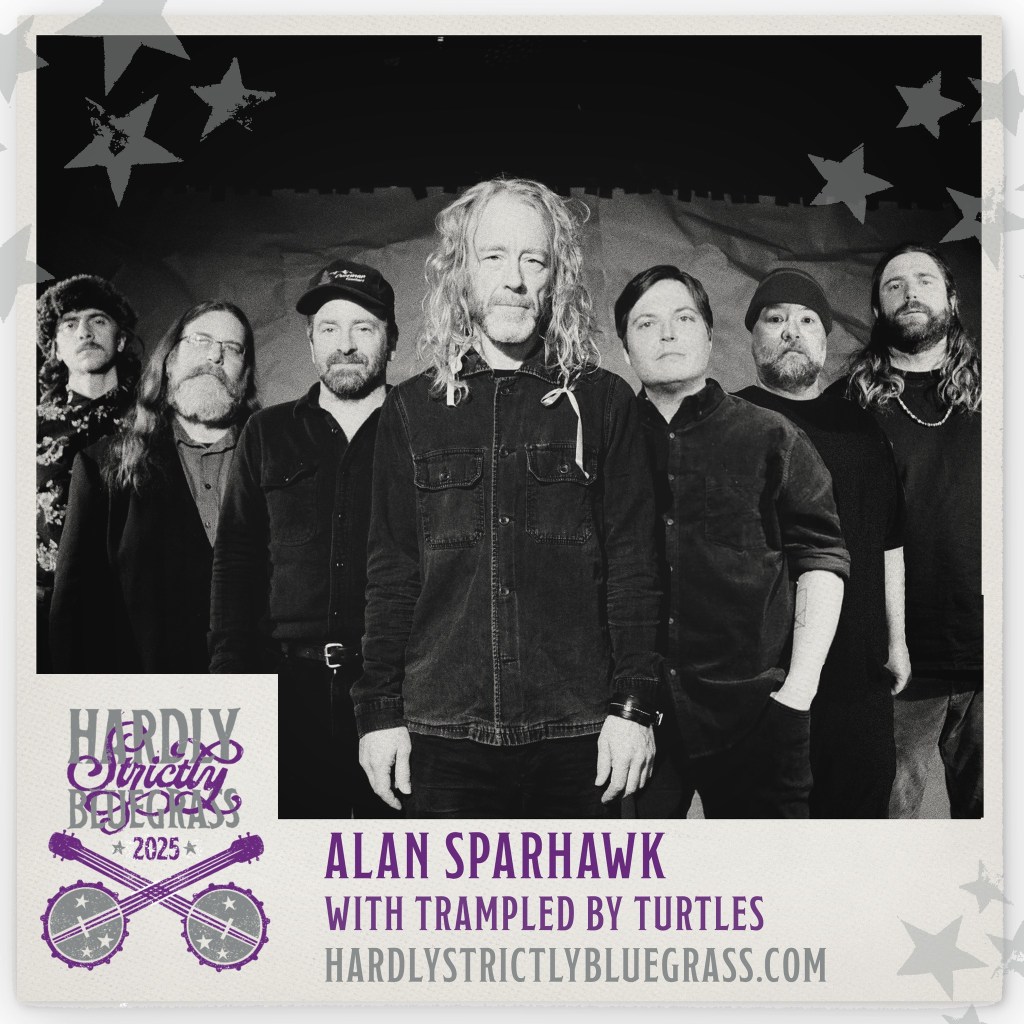
I can’t say I had a truly analogous experience with the genre of slowcore. I’ve previously enjoyed the likes of Duster, but I had yet to hear much of the seminal releases in the style by the band Low. Albums like I Could Live In Hope or Things We Lost In The Fire are known as landmark records for the genre by many ardent music fans. However, their thirteenth and final record was possibly my favorite record of the year it came out. Just four short years later, the co-lead of the band, Alan Sparhawk, would unite with fellow Duluth band, Trampled by Turtles, to release their 2025 self-titled collaborative project.
This album comes just a year after Sparhawk’s last solo studio record, White Roses, My God. After Low’s last album in 2021, Sparhawk’s spouse and bandmate, Mimi Parker, passed away, so it seems appropriate that the two records act as companion pieces to one another. This new collaboration project covers two of the songs on Sparhawk’s previous album, those being “Heaven” and “Get Still”, and generally seems to deal with the same themes of loss. Unfortunately, for the sake of the review’s length, I can’t go into too much detail about his previous release; however, what I can say is that I think this new sonic direction did the record well and surely made for a unique listening experience.
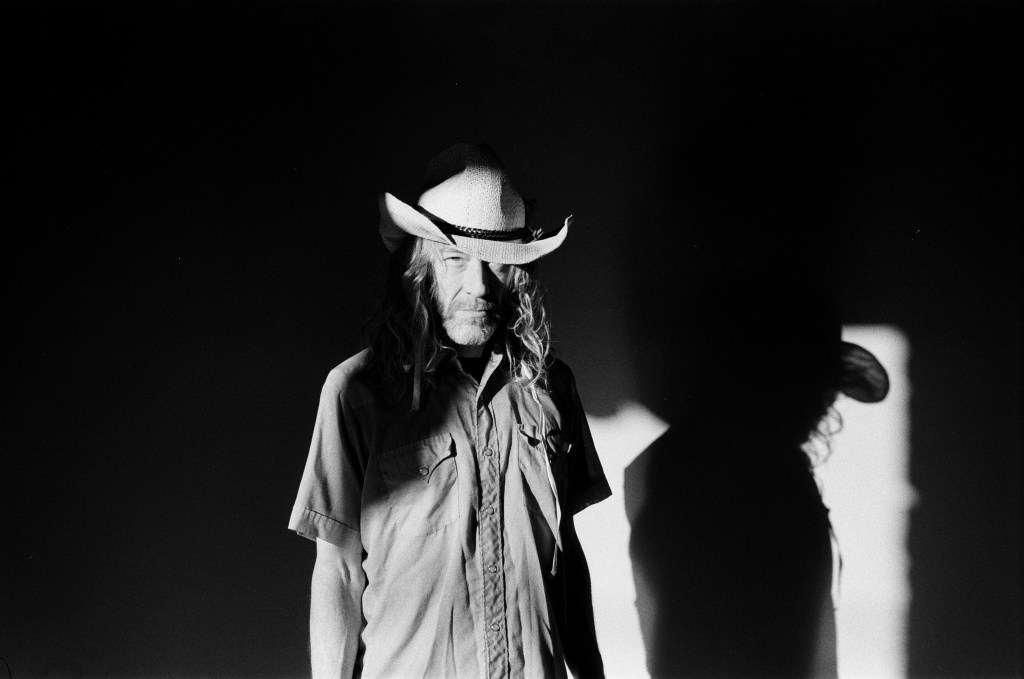
Surprisingly, the result of these clashing styles and points of influence for the collaborators coalesces into a remarkably cohesive sound. Different strains of indie rock and americana have been able to come together and make for compelling material – bands like Wilco and the Silver Jews have done just that. However, the mix between the deeply depressive and lethargic domain of slowcore and the sometimes-rousing and pastoral nature of progressive bluegrass is one I have yet to be privy to in my many years of music consumption.
What can be said is that the record probably works as well as it does because almost every song is cut from the same cloth. The choruses are all mostly belting four-part harmonies as the twinkling banjos and mandolin make a backdrop for the strings to play with either fanfare or contrition. The style leans closer to its americana foundations than any slowcore I’m familiar with, however, in doing so it isn’t as reminiscent as one might think to previous Trampled By Turtles records. In comparison, Palomino was much more jovial sounding – even their more dour tracks like “Bloodshot Eyes” were never quite as depressing as songs of this record. If nothing else, they felt like you were listening to a sad friend by the campfire. By contrast, Alan Sparhawk With Trampled By Turtles feels so much more desolate and isolating. Just about all of the instrumental backings to these songs are both slower, but they also come across as if they’re desperately trying to cling onto any hope they may have left.
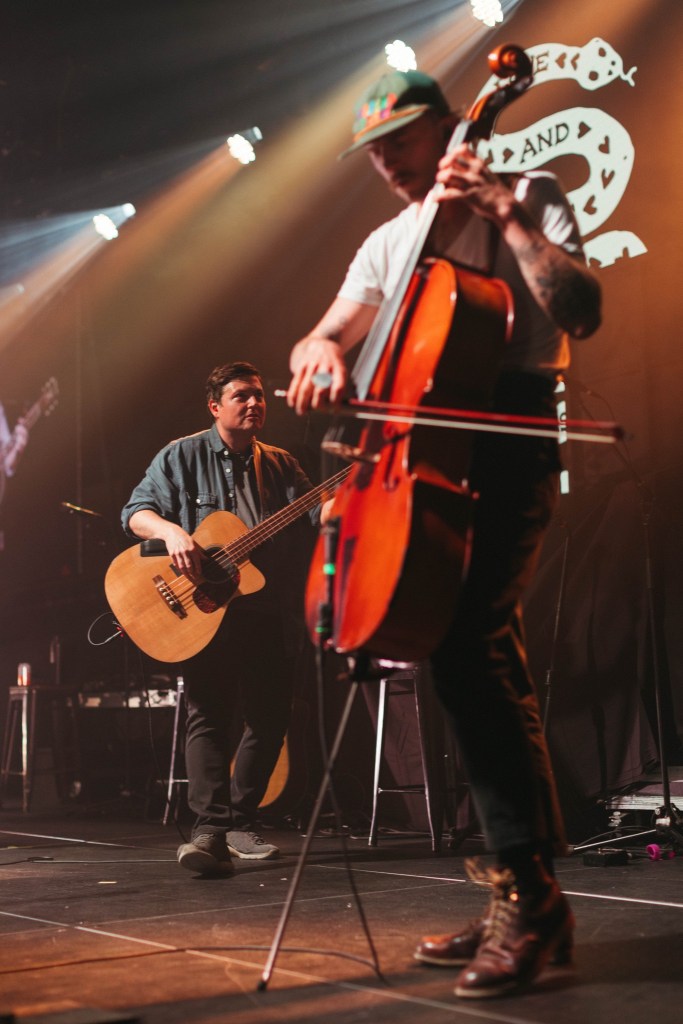
Despite the band’s typical instrumental ensemble, the album tends to stray away from their defined sound and in its place takes some influence from the ornate world of chamber music. This fusion of chamber elements and expressions of contemporary folk is a fascinating development for me; the earnestness of folk and aspects of a style within classical music makes for such a sonically beautiful dichotomy that perfectly encapsulates this record. This by no means makes it a classical record, instead the music is played with such a level of grace that it feels akin to chamber. If one had to make a comparison, it sounds like the record is a cross between the tragic demeanor of Time (The Revelator) by Gilligan Welch and the adorned intricate nature of Helplessness Blues by Fleet Foxes. In describing the sound of the record, this tofu munching alien fails to address the most important aspect the record holds.
The lyrics are tantamount to understanding the record’s appeal it might hold to any prospective listener. The opening track, “Strangers”, makes for a good tone setter for the album, not only in terms of sound, but also in the tone of the lyrics. All the words sung from Alan Sparhawk’s weary voice feel like he’s painting a rather abstract picture. On first glance, “Strangers” merely sounds like he’s talking about the general concept of not being acquainted with someone else. However, after multiple listens, I begin to understand that the song is about the people you end up having to share a space with when mourning the loss of a loved one. I’m sure that anyone who has recently attended a funeral can understand how it feels to suddenly be in a room filled with people you haven’t spoken to in years or haven’t met at all. It can understandably be an overwhelming sensation to be surrounded with others you have little familiarity with. Another possible interpretation could be how your connection with others is significantly altered by the loss of this person, as they were the conduit for meeting these people. Either way, it’s clear that the loss of his spouse affects how he views his relationship with other people.
The next track, “Too High”, reads as if the narrator is begging his loved one to come down from heaven and back to earth. On the opposite end of the spectrum, the following track, “Heaven”, sounds as if he’s projecting his loneliness onto the souls in the afterlife. In a clunky yet endearing way, Sparhawk sings: “Heaven, it’s a lonely place if you’re alone”. It becomes clear just how isolating this loss to him is, and wants nothing more to be with them again – even if that implicitly means his death. The track “Not Broken” deals with his struggles with function as a musician after the loss of his spouse. The lyrics “So turn up the bright lights. And turn on the drum mics. Turn up the probably I don’t know.” detail his difficulty trying to manage his day-to-day duties as a recording artist, especially since the vast majority of musical career was recorded with his spouse. The chorus of the song helps to really portray what he’s going through and what he has to tell himself in order to keep moving forward: “It’s not broken. I’m not angry”. The mantra becomes a powerful message of persistence even in his darkest hours. It helps that this is about the only song on the album that doesn’t make use of group harmonizing, instead it’s one solitary voice in his head trying to get him to see reason.
Just as Sparhawk pens these weariful woes, Trampled By Turtles does their best to match the tone of what is being said. “Screaming Song” progressively builds up to a climatic zenith, with expertly crafted dynamics that help to sell the anguish of the track, as the fiddle becomes a nightmarish maw of atonality in the latter half of the song after Sparhawk is done singing, which I assume is supposed to be the screaming. “Don’t Take Your Light” pulls this screeching fiddle trick again, but only after a fantastic solo that does highlight the band’s bluegrass roots. As much as the repeated structure becomes more apparent, I can’t deny that there are music moments that can really leave an impression on the listener for the better. Unfortunately, not everything the record attempts is pulled off without a hitch.
Just about every chorus on this album, besides “Not Broken” is harmonized. For a few songs it gets pulled off rather well and sounds absolutely angelic, but it quickly starts wear out its welcome and in some cases can result in an ugly mess, like with the song “Get Still”. In general, the whole sound of the record, for as pretty as it can be, does start to really drag. As the record goes on, the copy and paste formula becomes more and more difficult to ignore, few fragments of any song you could name on this standout as entirely memorable which is why the moments that do stick out are so worth noting. This certainly isn’t a bad record (there’s quite a bit to like about it), but just like the last review, its uniformity in sound eventually becomes a determent to its enjoyability.
Much like Sparhawk, I recently lost someone close to me. I could only imagine what it was like to lose a life long partner, but I did lose my stepfather, who was about as close to a father figure I ever had in my life. We had our ups and downs – for a while I was convinced I hated his guts, but I didn’t, and it took his passing to realize that I didn’t. I don’t write this for anyone to take pity on me or for anyone’s sympathy, but rather just to say that more than anything else, I have rarely felt so close to an artist and their art than I do listening to this. As flawed as many aspects of this record may be, I can say with the utmost certainty that Sparhawk put a piece of himself into this and in a world where so much media is made to fulfill corporate interest and just be enough to occupy someone’s limited time in order to turn a profit.
If you would like to listen to Alan Sparhawk with Trampled by Turtles, you can purchase both a physical or a digital copy of the album on the Sparhawk’s Bandcamp page. You can also stream the album on Spotify, Apple Music and YouTube Music.

 ARDENTLY
Leave a comment